Virtual Real Estate: Exploring Property in the Metaverse
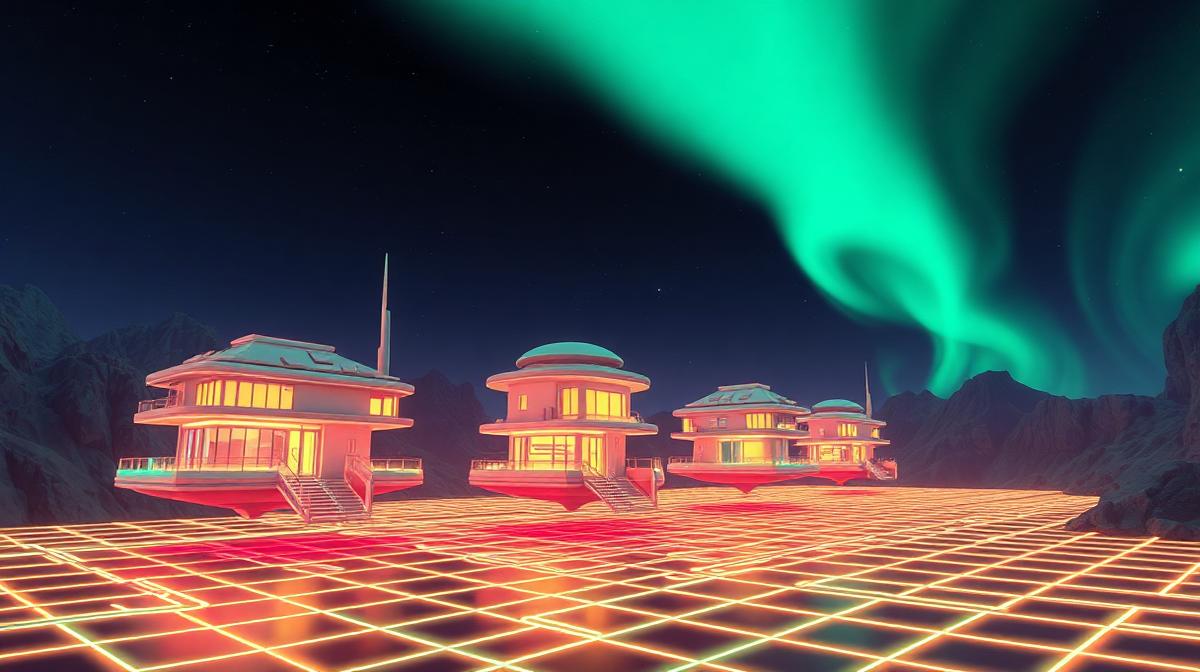
Virtual real estate is one of the most tangible expressions of the metaverse's potential. Platforms like The Sandbox and Decentraland have created entire economies around digital land ownership, and the numbers are real.
The Platforms
The Sandbox is a play-to-earn virtual world where users create, own, and monetize their experiences. It has partnered with major studios and brands to develop unique interactive environments. The average price of a plot on The Sandbox reached around $13,000, with Republic Realm paying a record sum for premium virtual land.
Second Life, the pioneer of virtual worlds since 2003, continues to thrive with thousands of daily users. Its highly customizable environments allow everything from running businesses to attending concerts, all through personalized avatars.
Decentraland operates as a decentralized virtual world governed by its community, hosting everything from art galleries to corporate headquarters.
The Market
Virtual real estate marketplaces let users list, manage, and trade digital properties. Companies like Republic Realm are developing fantasy islands as premium destinations, complete with virtual villas and entertainment venues.
The concept extends beyond novelty:
- Brands use virtual spaces for immersive showrooms
- Event organizers host conferences and fashion weeks
- Artists create galleries and performance spaces
- Entrepreneurs build businesses serving virtual communities
Fashion Meets the Metaverse
Metaverse Fashion Week, hosted on Decentraland, brought luxury brands like Tommy Hilfiger, Etro, Paco Rabanne, and Gucci into virtual spaces. It demonstrated that digital fashion, wearables for avatars, represents a genuine market opportunity.
Looking Forward
Virtual real estate is still early. Valuations are speculative and platforms are evolving rapidly. But the underlying trend is clear: as we spend more time in digital spaces, the desire to own, customize, and monetize those spaces will only grow.